

5 Simple Tips to Keep Safe and Healthy
Source: Care Resource
Summer means long days, outdoor play, family gatherings, and trips to the park or beach – a season kids look forward to all year. But as temperatures climb, the heat can pose real health risks families should take seriously.

Children are more vulnerable to heat than adults. They often don’t notice when they need a break, water, or a cooler spot to rest, and infants and young children rely entirely on caregivers to keep them safe and hydrated.
Left unchecked, hot weather can lead to dehydration, heat exhaustion, and heat stroke – a medical emergency marked by a very high body temperature, confusion, dizziness, or loss of consciousness. Even mild overheating can bring headaches, cramps, fatigue, and nausea, and repeated episodes can affect a child’s well-being over time.
No child is immune. Infants, toddlers, school-age kids, teen athletes, and children with certain medical conditions all need extra attention during high heat.
A few simple habits – staying hydrated, taking breaks, dressing appropriately, and catching warning signs early – can keep summer safe and fun.
If you have questions about heat-related illness or summer wellness, Care Resource is here to help. Our pediatricians can offer guidance and connect families with trusted resources. Don’t wait if you’re concerned about a child’s symptoms – reach out and seek care when needed.
5 Tips to Keep Children Safe and Healthy in the Summer Heat
1. Encourage Water Breaks Throughout the Day Children get absorbed in play and forget to drink, so offer water regularly — don’t wait for them to ask. Keep a bottle on hand during outdoor activities, and add water-rich foods like watermelon, strawberries, cucumbers, and oranges.
2. Plan Outdoor Activities During Cooler Hours Heat typically peaks from late morning through early evening. Schedule play, sports, and walks for early morning or evening when possible to keep kids active while limiting heat exposure.
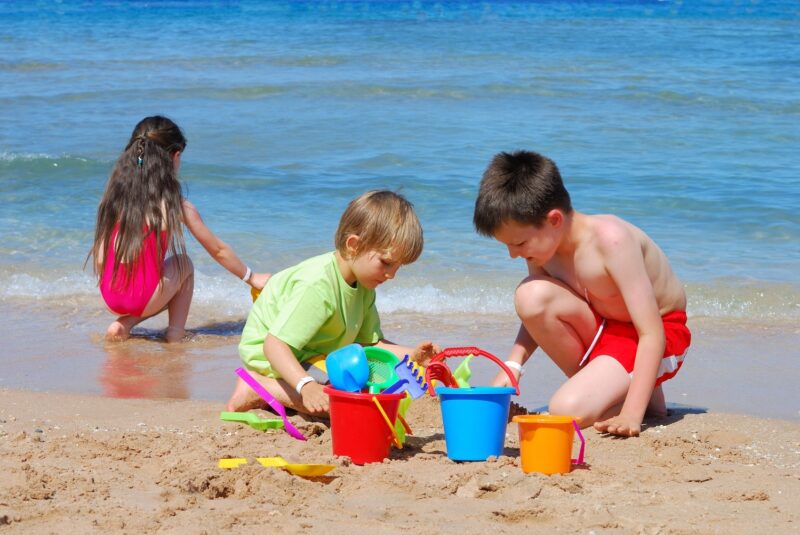
3. Dress for the Weather Lightweight, loose, light-colored clothing helps the body stay cool; add a wide-brimmed hat and sunscreen outdoors. Check playground equipment first — metal slides and handrails heat up fast in direct sun.
4. Learn the Signs of Heat Illness Watch for heavy sweating, dizziness, headache, fatigue, muscle cramps, dry mouth, dark urine, or nausea. If symptoms appear, move the child to a cool spot, offer fluids if appropriate, and seek care if symptoms persist or worsen.
5. Never Leave a Child in a Parked Vehicle Vehicle temperatures can turn dangerous fast, even on mild days. The CDC reports interior temperatures can climb nearly 20°F in the first 10 minutes, even with a window cracked. Always check the back seat before locking up.
About Care Resource

Care Resource, a 501(c)(3) nonprofit and Federally Qualified Health Center (FQHC), operates four locations in Midtown Miami, Little Havana, Miami Beach, and Fort Lauderdale. The health center delivers comprehensive, patient-centered care, including medical, pediatric, behavioral, dental, housing, and STI prevention and testing services. For more information, please visit CareResource.org. To make an appointment, please call 305-576-1234 – (English #470, Spanish #471, Creole #124)
 English
 Spanish